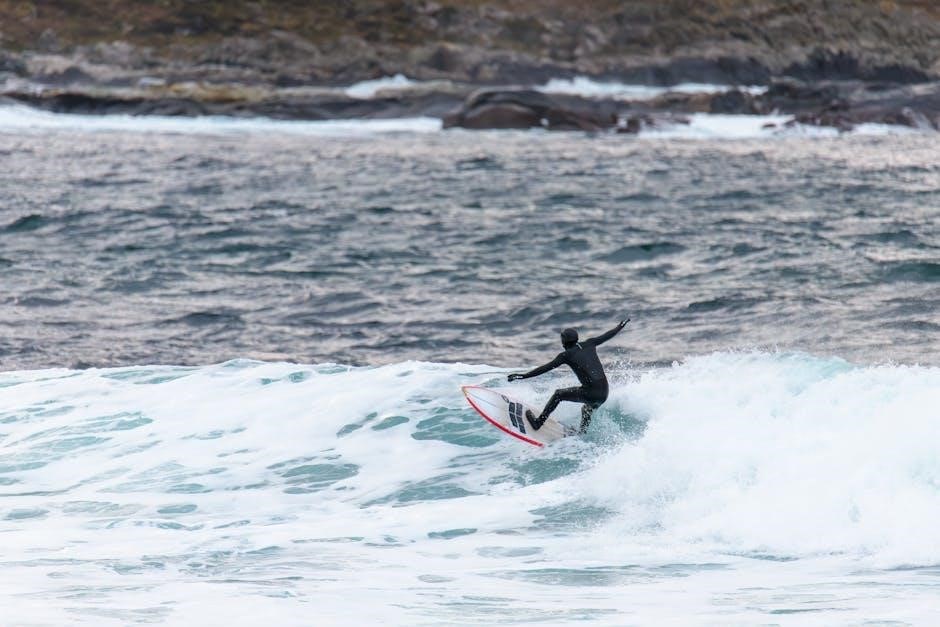
Discover the thrill of riding waves! This guide unveils the captivating world of surfing, from its origins to finding ideal spots,
embracing the ocean’s energy and culture.
What is Surfing?
Surfing is more than a sport; it’s a dance with the ocean. It involves riding a breaking wave, utilizing a surfboard to propel oneself forward towards the shore. The allure lies in harnessing the raw power of nature, experiencing a unique connection with the sea.
It’s a pursuit demanding balance, coordination, and an understanding of wave dynamics. From the initial paddle to the exhilarating feeling of standing, surfing offers a blend of physical challenge and spiritual fulfillment. The sound and sights of crashing waves create an immersive experience, drawing enthusiasts into its captivating embrace. It’s a lifestyle, a community, and a timeless adventure.
The History of Surfing
Surfing’s roots trace back to ancient Polynesia, where it was deeply ingrained in the culture. Early Polynesians rode waves for recreation, spiritual connection, and social status. Captain James Cook first documented surfing in Hawaii in 1777, observing locals skillfully riding waves on wooden boards.
The sport nearly vanished with the arrival of missionaries, who discouraged traditional practices. However, a revival began in the early 20th century, championed by figures like Duke Kahanamoku, a Hawaiian Olympic swimmer. He popularized surfing globally, demonstrating its beauty and athleticism. From its humble beginnings, surfing evolved into the globally recognized sport and lifestyle it is today.
Essential Surfing Equipment
Gear up for the waves! A surfboard, leash, and wax are fundamental. Wetsuits provide thermal protection, crucial for comfort and extended sessions in cooler waters.
Surfboard Types
Choosing the right board is key! Surfboards vary significantly, catering to different skill levels and wave conditions. Shortboards, typically under 6’8”, are designed for experienced surfers seeking maneuverability and performance in steeper waves; Longboards, exceeding 9’, offer stability and are ideal for beginners and smaller waves, facilitating easier paddling and catching waves.
Funboards, falling between these two, provide a versatile option for intermediate surfers. Fish surfboards, characterized by their wider outline and twin-fin setup, excel in smaller, weaker waves, offering speed and responsiveness. Gun surfboards are specialized for big wave surfing, featuring a narrow outline and increased length for stability and control. Understanding these distinctions will help you select a board that matches your abilities and the waves you intend to ride, maximizing your surfing experience.
Leash and Wax
Essential accessories for every surfer! A surf leash is a crucial safety component, connecting the surfboard to your ankle, preventing it from drifting away after a wipeout. Leash length should correspond to board size – longer boards require longer leashes. Regularly inspect your leash for wear and tear, replacing it when necessary.
Surf wax provides traction on the board’s surface, enabling secure footing. Wax application depends on water temperature; colder water requires harder wax, while warmer water necessitates softer wax. Apply wax liberally in circular motions, creating a textured surface. Regularly re-wax your board to maintain optimal grip. These seemingly small items significantly enhance safety and performance, allowing you to focus on enjoying the waves!
Wetsuit Considerations
Staying warm is key to a longer, more enjoyable surf session! Wetsuit thickness is determined by water temperature. A fullsuit (covering arms and legs) is ideal for colder waters, while a shorty (short arms and legs) suits warmer conditions. Consider the material – neoprene offers excellent insulation and flexibility.
Proper fit is crucial; a wetsuit should be snug but not restrictive. Look for features like flatlock seams (more affordable, less flexible) or glued and blind-stitched seams (more durable, more flexible). Don’t forget accessories like boots, gloves, and a hood for extra warmth in frigid waters; Investing in a quality wetsuit ensures comfort and extends your surfing season!

Understanding Ocean Conditions
Decoding the ocean’s power is vital for safe and successful surfing. Learn to interpret waves, tides, and currents to maximize your ride!
Waves and Swell
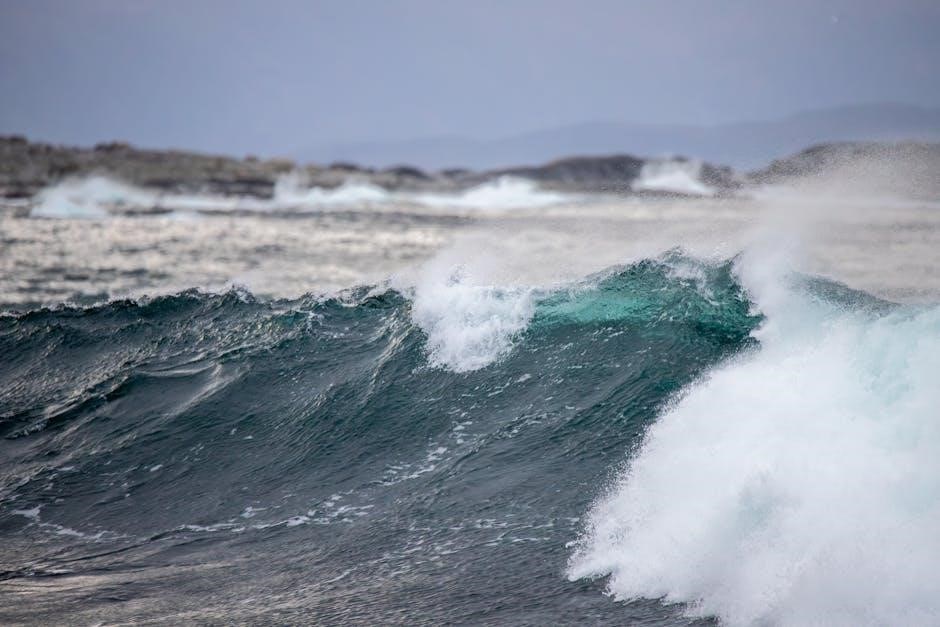
Understanding wave formation is fundamental to surfing. Waves aren’t born at the beach; they originate from swells – disturbances created by distant winds. These swells travel across the ocean, gathering energy, and transforming into the waves we ride. Wave size is determined by wind speed, duration, and fetch (the distance over which the wind blows).
Different types of waves exist, including spilling, plunging, and surging waves, each offering a unique surfing experience. Learning to identify these wave types, alongside understanding swell direction and period, allows surfers to predict wave behavior and position themselves for optimal rides. Observing how waves break over different seafloor contours – reefs, points, or beaches – is also crucial for selecting the right surf spot;
Tides and Currents
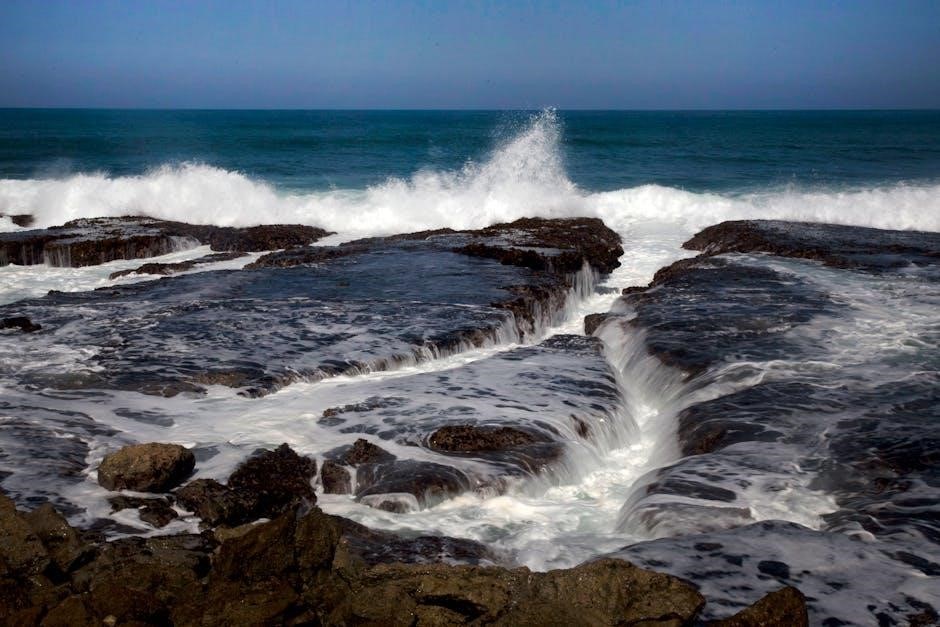
Tides significantly impact surfing conditions. High tide often softens waves, making them more manageable for beginners, while low tide can reveal reef breaks and create more powerful, hollow waves for experienced surfers. Understanding tidal charts is essential for planning a surf session.
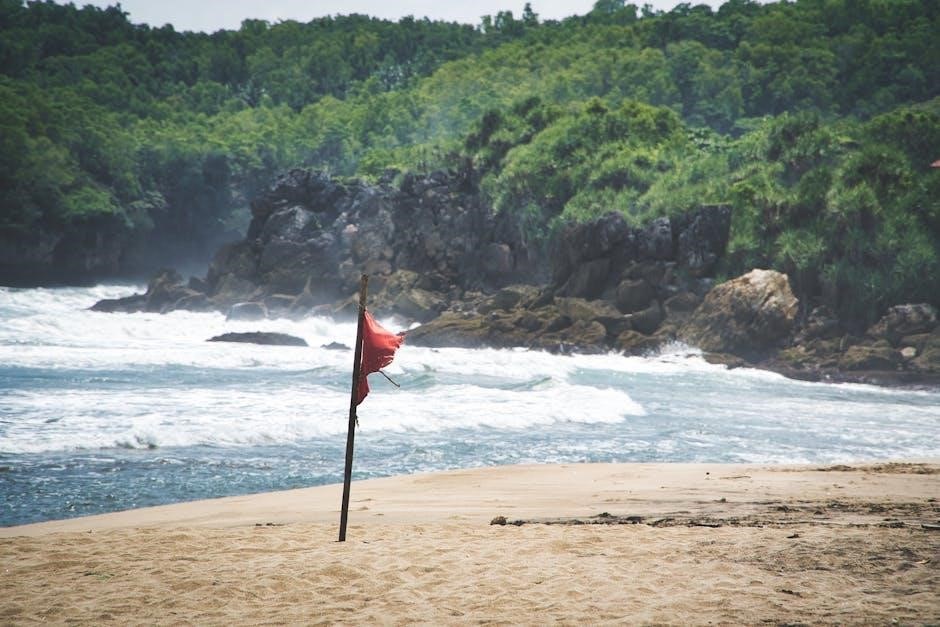
Ocean currents also play a vital role. Rip currents, powerful channels of water flowing away from the shore, can be dangerous but also provide a pathway back out to the lineup. Recognizing rip currents and knowing how to escape them is a critical safety skill. Longshore currents move parallel to the beach, influencing wave shape and drift. Awareness of both tides and currents enhances both safety and surfing performance.
Reading a Surf Report
Surf reports are your key to unlocking optimal surfing conditions. They provide crucial information like wave height (measured in feet), swell direction (where the waves are coming from), swell period (time between waves – longer periods mean more power), and wind conditions. Look for reports detailing wind speed and direction; offshore winds groom waves, while onshore winds create choppy conditions.
Understanding these elements allows you to predict wave quality. A report might also include tide information and a star rating indicating overall surfability. Websites and apps dedicated to surf forecasting offer detailed reports, often with live webcams to visually assess conditions before heading out.

Top Surf Spots in the USA
Explore premier US surf destinations! From California’s iconic breaks to Hawaii’s legendary waves and Florida’s accessible shores, adventure awaits every surfer.
California: Huntington Beach
Known as “Surf City USA,” Huntington Beach embodies California’s surf culture. This vibrant coastal city boasts consistent waves suitable for all skill levels, making it a prime destination for beginners and seasoned surfers alike. The long, sandy beach provides ample space, reducing crowding and enhancing the overall experience.
South of Steamer Lane, the long, slopey, sand-bottom wave is a popular locale, offering a large playing field for practicing pop-ups. Expect warm water temperatures and a lively atmosphere, with numerous surf shops and schools readily available. Huntington Beach regularly hosts surfing competitions, adding to its energetic vibe. It’s a fantastic place to immerse yourself in the surfing lifestyle and enjoy the iconic Californian sunshine.
Hawaii: Waikiki Beach
Waikiki Beach, on Oahu, is synonymous with surfing’s history and allure. Gentle, rolling waves make it an ideal learning ground for beginners, while more experienced surfers can find challenging breaks further out. The warm, turquoise waters and stunning Diamond Head backdrop create an unforgettable surfing experience.
Numerous surf schools line the beach, offering lessons and rentals. Waikiki’s consistent swell, generated by distant storms, ensures surfable conditions throughout much of the year. Beyond surfing, Waikiki provides a vibrant cultural scene, with opportunities to explore Hawaiian traditions and enjoy the island’s natural beauty. It’s a classic surf destination offering a blend of relaxation and adventure.
Florida: Cocoa Beach
Cocoa Beach, Florida, offers a surprisingly consistent surf scene, particularly for the East Coast. While not known for massive waves, it provides excellent conditions for learning and intermediate surfers. The warm water temperatures mean wetsuits are often unnecessary, adding to the comfort.
Several surf shops along the beach offer rentals and lessons, catering to all skill levels. Cocoa Beach benefits from frequent swells generated by passing weather systems. Beyond surfing, the area boasts a laid-back atmosphere, close proximity to Kennedy Space Center, and a variety of beachside attractions. It’s a family-friendly destination with a welcoming surf community.
North Carolina: Outer Banks
The Outer Banks of North Carolina present a unique surfing experience, shaped by its barrier island geography and exposure to both North Atlantic swells and Gulf Stream influences. This creates a diverse range of breaks, from beach breaks suitable for beginners to more challenging point breaks for experienced surfers.
Hatteras Island is particularly renowned, attracting surfers seeking consistent waves, especially during fall and winter storms. The area’s wild beauty and uncrowded beaches add to its appeal. Expect cooler water temperatures, necessitating wetsuits for much of the year. The Outer Banks offer a raw, natural surfing environment, distinct from more developed coastal areas.
Surfing for Beginners
Start your surfing journey! Learn essential paddling techniques, the crucial pop-up, and vital surf etiquette for a safe and enjoyable introduction to the waves.
First Steps: Paddling and Popping Up

Paddling is your foundation. Lie prone on the board, centered, and use long, sweeping strokes, reaching forward and pulling back through the water. Maintain a relaxed upper body and focus on efficient, rhythmic movements. Look towards the shore to maintain direction.
The pop-up is key. As a wave approaches, paddle hard to match its speed. Place your hands flat on the board, near your chest, and push up explosively. Bring your feet underneath you in a staggered stance, knees bent, ready to ride. Practice this motion on land repeatedly to build muscle memory. A quick, smooth pop-up is crucial for success, allowing you to catch the wave before it passes.
Surf Etiquette
Respect the lineup. The surfer closest to the peak has priority – don’t drop in on them! “Dropping in” means paddling for a wave already being ridden. Always paddle wide around surfers already riding a wave.
Communicate clearly. Verbal communication is vital. Announce your intentions, especially when paddling for a wave. A simple “going!” can prevent collisions. Be aware of your surroundings and other surfers.
Paddle smart. When paddling back out, paddle wide of the breaking waves and other surfers. Don’t impede someone’s ride. Apologize if you accidentally interfere with another surfer’s wave. Respect local surfers and their knowledge of the break.
Safety Tips for Beginners
Start small and slow. Begin in gentle, forgiving waves – white water is your friend! Never surf beyond your abilities. Always wear a leash to keep your board close. Understand rip currents and how to escape them – paddle parallel to the shore.
Protect yourself. Use plenty of waterproof sunscreen, even on cloudy days. Consider wearing a rash guard for sun and abrasion protection. Be mindful of marine life; respect their space.
Know your limits. Don’t surf alone, especially as a beginner. Inform someone of your plans and location. If you’re tired, get out of the water. Prioritize safety above all else – it’s key to enjoying the experience!
Intermediate Surfing Techniques
Refine your skills! Master turning, reading wave faces, and perfecting your pop-up for smoother rides and greater control in dynamic ocean conditions.
Turning and Maneuvering
Elevate your surfing with fluid turns! Once you’re consistently riding waves, turning becomes crucial for controlling your line and maximizing fun. Initiate turns by shifting your weight and looking in the direction you want to go.
Begin with bottom turns – carving across the wave face at the bottom – to maintain speed and set up for maneuvers. Practice top turns, snapping the board around at the crest, to change direction quickly.
Experiment with cutbacks, returning to the power source of the wave, and off-the-lip maneuvers for more advanced control. Remember to keep your core engaged and maintain a low center of gravity for stability during turns. Consistent practice and observation of experienced surfers will accelerate your progress.
Reading the Wave Face
Unlock the wave’s potential! Understanding a wave’s shape is vital for successful surfing. Observe how the wave is breaking – is it a peeling wave, offering a long ride, or a closeout, breaking all at once?
Look for the “shoulder” – the unbroken part of the wave – where you can carve turns. Identify the “pocket” – the steepest part – for maximum power and speed.
Notice any bumps or sections that might affect your ride. Anticipate where the wave will break next and position yourself accordingly. Experienced surfers constantly scan the wave face, adjusting their line to stay in the sweet spot. Practice this skill to improve your wave selection and overall performance.
Improving Your Pop-Up
Refine your transition! A quick, fluid pop-up is crucial for catching waves. Practice on land – simulate paddling, then explosively push up into a squat stance. Focus on bringing your feet forward under your chest simultaneously.
Keep your back straight and core engaged. Avoid “turtle rolling” – popping up too slowly or awkwardly.
Film yourself to identify areas for improvement. Common mistakes include looking down, having uneven foot placement, or hesitating. Consistent practice builds muscle memory. Visualize a perfect pop-up before each wave. A smooth pop-up maximizes your speed and control, setting you up for a successful ride.

Advanced Surfing Skills
Elevate your surfing! Master tube riding, aerial maneuvers, and tackle challenging big waves – pushing limits and experiencing the ultimate adrenaline rush.
Tube Riding
The pinnacle of surfing: getting barreled! Tube riding, or barrel riding, involves navigating inside the hollow section of a breaking wave – a truly exhilarating experience. It demands precise timing, positioning, and wave knowledge. Successfully entering the tube requires paddling deeply, maintaining speed, and angling your board to align with the wave’s curvature.
Visualize the wave breaking around you, not on you. Staying compact and centered is crucial. Experienced surfers often utilize rail control and subtle weight shifts to navigate within the barrel. The feeling of being enveloped by the wave, with only a glimpse of light, is unmatched. It’s a skill honed through countless hours in the water, demanding commitment and a deep understanding of wave dynamics. Mastering this skill is a testament to a surfer’s dedication and ability.
Aerials
Taking surfing to new heights! Aerials represent a progressive maneuver where a surfer launches themselves and their board into the air above the breaking wave. This dynamic skill requires a combination of speed, timing, and precise technique. Generating sufficient speed on the wave face is paramount, followed by a strong compression and extension motion.
The key is to utilize the lip of the wave as a ramp, directing your board upwards. Maintaining control during flight involves keeping your body centered and utilizing arm positioning for balance. Landing smoothly back on the wave face is the ultimate goal. Aerials aren’t just about height; style, rotation, and creativity are highly valued. It’s a visually stunning display of athleticism and wave mastery, pushing the boundaries of what’s possible on a surfboard.
Big Wave Surfing
Conquering the ocean’s giants! Big wave surfing is the most extreme discipline, demanding immense courage, physical conditioning, and specialized equipment. These surfers tackle waves exceeding 20 feet, often requiring jet ski assistance for tow-in surfing to reach the peak. Safety is paramount, involving experienced water patrol teams and inflatable vests.
Locations like Nazaré, Portugal, and Mavericks, California, are renowned for their colossal swells. Mastering techniques like reading the wave face, executing committed drops, and surviving powerful wipeouts are crucial. Specialized boards, reinforced for strength and stability, are essential. Big wave surfing isn’t merely a sport; it’s a test of human limits against the raw power of the ocean, attracting a dedicated and fearless community.
Surf Travel Destinations
Explore global surf havens! From Spain’s northern coast to Portugal’s Nazaré and Australia’s Gold Coast, discover diverse waves and vibrant surf cultures worldwide.
Spain: Northern Coast
A European Surfing Gem – Spain’s northern coastline presents a fantastic array of surfing opportunities, particularly suited for those beginning their surfing journey. The region’s diverse coastline ensures a varied surfing experience, shaping your initial encounters with the waves.
From the rugged beaches of Galicia to the more sheltered bays of the Basque Country, there’s a spot for every level.
The consistent swell, combined with a generally milder climate, makes it an attractive destination year-round. Popular spots like Zarautz and Mundaka offer both challenging waves for experienced surfers and gentler breaks perfect for beginners. Embrace the Spanish surf lifestyle, combining thrilling rides with delicious cuisine and vibrant culture!
Portugal: Nazaré
Home to Colossal Waves – Nazaré, Portugal, has rapidly become synonymous with big wave surfing, attracting daredevils from across the globe. This coastal town, famed for its dramatic canyon that amplifies swell, consistently produces some of the largest rideable waves on the planet. While not ideal for beginners, witnessing the spectacle is breathtaking.
However, Nazaré also offers conditions suitable for intermediate surfers during smaller swells. Praia do Norte, the main big wave beach, can provide more manageable waves at certain times. The town itself boasts a charming atmosphere, rich history, and delicious seafood, making it a compelling destination for surf enthusiasts and spectators alike.
Australia: Gold Coast
A Surfer’s Paradise – The Gold Coast in Australia is renowned for its consistent waves, warm waters, and vibrant surf culture. Stretching over 57 kilometers, it offers a diverse range of breaks catering to all skill levels, from gentle rollers perfect for beginners to powerful beach breaks for experienced surfers. Iconic spots like Surfers Paradise, Burleigh Heads, and Snapper Rocks draw crowds year-round.
Beyond the waves, the Gold Coast boasts stunning beaches, lush rainforests, and a lively nightlife. It’s a fantastic destination for combining surfing with other outdoor activities and enjoying the Australian lifestyle. Numerous surf schools and board rental shops make it easily accessible for newcomers to the sport.

Surf Culture and Community
Immerse yourself in the lifestyle! Surf culture thrives through films, music, and the art of shaping boards, fostering a passionate, global community.
Surf Movies and Documentaries
Dive into cinematic surf experiences! Surf movies and documentaries are integral to the culture, showcasing incredible rides, breathtaking locations, and the spirit of the sport. Classics like “Endless Summer” ignited a global passion, while modern films push boundaries with stunning visuals and storytelling.
These films aren’t just about surfing; they explore the lifestyle, the connection to the ocean, and the dedication of surfers. Documentaries often delve into the history, the science of waves, and the environmental challenges facing our coastlines. They inspire, educate, and offer a window into a world many dream of joining. From action-packed edits to thought-provoking narratives, there’s a surf film for every enthusiast.
Surf Music
Ride the soundwaves! Surf music is intrinsically linked to the sport, evoking the feeling of sun, salt, and freedom. The genre’s origins trace back to the early 1960s, with instrumental rock bands like Dick Dale & The Del-Tones pioneering the sound – characterized by reverb-drenched guitars and driving rhythms.
This music perfectly captured the energy of the burgeoning surf culture. Beyond the instrumental classics, surf rock influenced countless artists, and the genre continues to evolve. Today, surf music encompasses a wide range of styles, from reggae and ska to indie and alternative, all sharing a common thread of laid-back vibes and coastal inspiration. It’s the soundtrack to the surf lifestyle!
Surfboard Shaping and Design
The art of the ride! Surfboard shaping is a blend of science, artistry, and intuition; Historically, boards were crafted from solid wood, but modern surfboards primarily utilize polyurethane foam and fiberglass. Shaping involves meticulously carving the foam blank, considering factors like length, width, thickness, and rocker (the curve of the board).
Fin placement and rail design are also crucial elements influencing performance. Skilled shapers understand how these variables affect a board’s handling, speed, and maneuverability. Custom shaping allows surfers to tailor boards to their specific skill level, wave conditions, and personal preferences, creating a truly unique surfing experience.